Tag Archives: diy

My Home Virtual Production Mini-Stage

My Home Virtual Production Mini-Stage

Introduction

This is a compact home virtual production stage — a scaled-down version of the LED wall setups used in film and broadcast. Built from a mix of consumer and prosumer gear, it’s designed to test multi-display routing, keying, and monitoring workflows without the footprint (or price tag) of a full studio volume.

Goals & Features

Some of the goals I had when putting this stage together:

▸ Multi-display playback — drive a wall of TVs as a single stage background.

▸ Basic chroma key — using the ATEM’s built-in keyer for quick composites.

▸ Confidence monitoring — ensuring the operator sees what the wall is displaying.

▸ Flexible routing — feed both raw laptop outputs and switched program signals into the Matrix.

▸ Room to grow — keep a path open to 4K switching, multi-user setups, and dedicated render heads.

Simplified Wiring

Hardware Spotlight: ATEM Mini Pro

Blackmagic Design ATEM Mini Pro

Compact live switcher designed for streaming and multicam. Supports up to 4 HDMI inputs (1080p max). Includes built-in chroma keying, picture-in-picture effects, transitions, and media playback. Outputs via HDMI or USB-C, and can stream directly. In this setup, it provides both the switching function and the chroma key feature for real-time composites.


Hardware Spotlight: Targus DOCK190

Targus DOCK190 Dual-Video 4K Docking Station

Uses DisplayLink technology to deliver dual HDMI outputs from a single USB-C input. Spec’d to handle dual 4K monitors (with driver compression and bandwidth limits). Provides power delivery up to 100W, plus USB/ethernet expansion. In this setup, it allows the Predator Helios 300 laptop to drive two HDMI feeds for routing into the ATEM and Matrix.

Full Routing

Summary

Even at 2K, this stage demonstrates how small-scale routing can mimic the flow of professional virtual production setups. By layering docks, splitters, routing, and monitoring, the system can drive a four-panel wall while keeping flexibility for program feeds and expansion.

Bottlenecks & Limitations

ATEM Mini Pro: limited to 1080p; hard ceiling on resolution.

Targus DOCK190 (DisplayLink): spec’d for dual 4K, but USB bandwidth and compression often reduce it to 1080p in practice.

Laptop GPU: Acer Predator Helios 300 (Intel i7, RTX 2060, 16GB RAM) is still capable, but aging, and bottlenecked by USB-C/DisplayLink.

Displays: mixed models (Hisense and Samsung), not uniform in color/latency.

Concerns about matrix clamping values;

Clamped?
Full range?

Cost Estimate (<$3k Approximate, USD)


Acer Predator Helios 300 Laptop: $800–1,000

Targus DOCK190: $125

Blackmagic ATEM Mini Pro: $295

OREI 4×4 HDMI Matrix/Wall Processor: $160

HP Z8 Frankenstein: ~$600 (rebuilt from salvaged parts)

Hisense 50” QD6 Series (2025 QLED 4K UHD Smart) ×2: $250 each = $500

Samsung CU8000 50” UHD TVs ×2: $250 each = $500

Confidence Monitor (generic HDMI): $20

HDMI splitters, cables, odds & ends: $200

Total (as built): ~$2,700–2,900, USD)

4K-Capable Variant

A future upgrade path would be replacing the Mini Pro with an ATEM Constellation 4K (starting around $995 for a 1 M/E model) or similar. This would provide true 4K input/output, more inputs for both the Laptop and HP Z8 Frankenstein, and multiple aux outs. The video-wall processor would still be required to tile across the four TVs.

Plans Going Forward

4K Switching & Routing: Evaluate Constellation 4K or similar switchers. Confirm DisplayLink Bandwidth:

Test USB-C throughput vs direct GPU HDMI/DP output to verify if DisplayLink is capping me at 1080p.

Secondary Computer Integration: The HP Z8 Frankenstein is currently 2K; long-term, it could become part of a multi-user workflow, likely requiring a KVM switch and rerouting desk peripherals. Eventually, it could serve as a dedicated render head.

Side by side

Display Wall Consistency: Move toward matched panels for consistent performance.

Display Wall expansion : adding 3x more 50” or one larger screen if I need larger coverage

Experiment with adding projectors


Vacuum forming

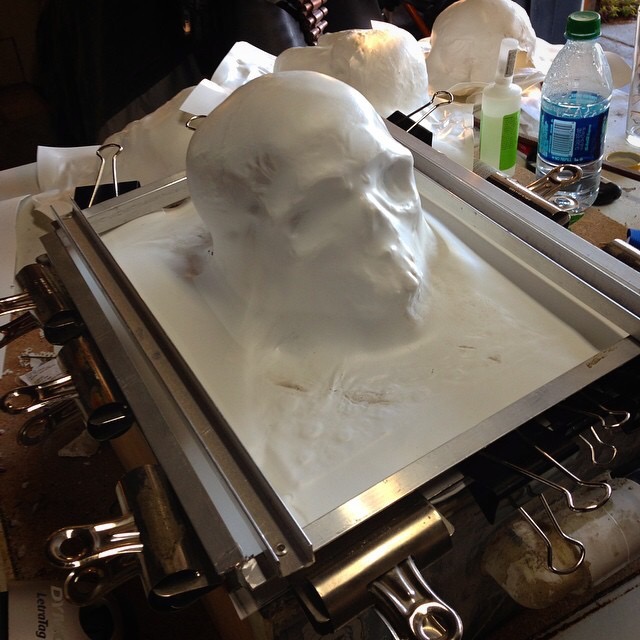
Vacuum forminghttps://isdrab.com/wp-content/uploads/2017/10/img_9195.jpg" data-large-file=";https://isdrab.com/wp-content/uploads/2017/10/img_9195.jpg" />

FB tells me this was three years ago, 
This was the last thing I pulled with my vacuum former. Not too bad considering it was a new machine we’d basically made that day. This was heated with a disassembled space heater and pulled with a shopvac.

I’ve had various levels of success with home made vacuum formers over the years and still intend to finish the big one.

Four years ago this was my larger machine, made with a crystal shop heater, but at 110v even with the box I made around it to direct the heat, it just wouldn’t get the full 2×2 surface, so dual heaters or 240v, I just need enough power for it…


Flashlight hack

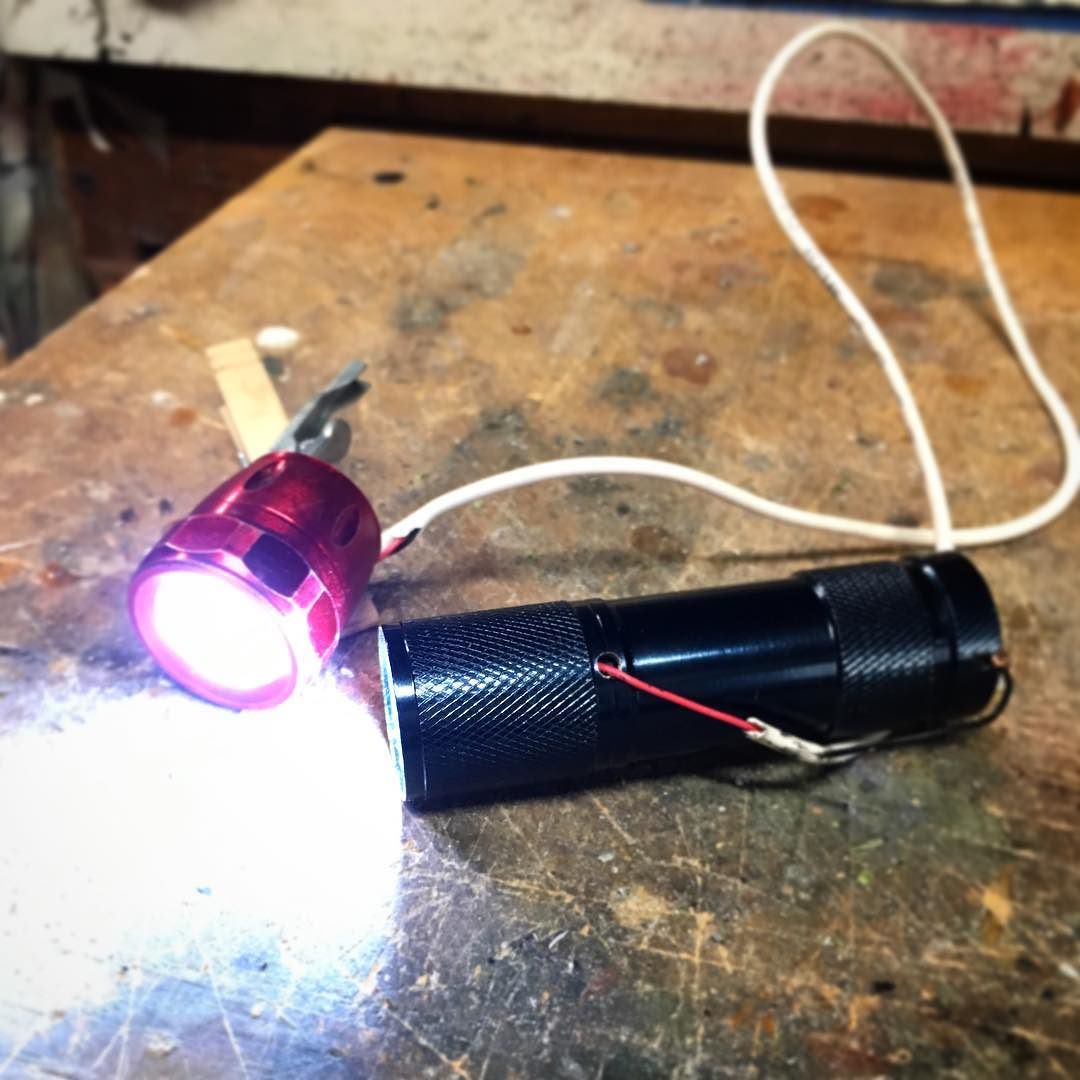
Flashlight hackhttps://isdrab.com/wp-content/uploads/2017/06/df9c8-18723654_115125475741905_6798095272858615808_n.jpg" data-large-file=";https://isdrab.com/wp-content/uploads/2017/06/df9c8-18723654_115125475741905_6798095272858615808_n.jpg" />

I want multiple light sources for the repair gantry like spotlights, but didn’t feel like warming up the soldering iron yet, so I tapped a wire into this flashlight to run a second flashlight from #diy #art #terrain via Instagram http://ift.tt/2s0k63d

Flocking texture.

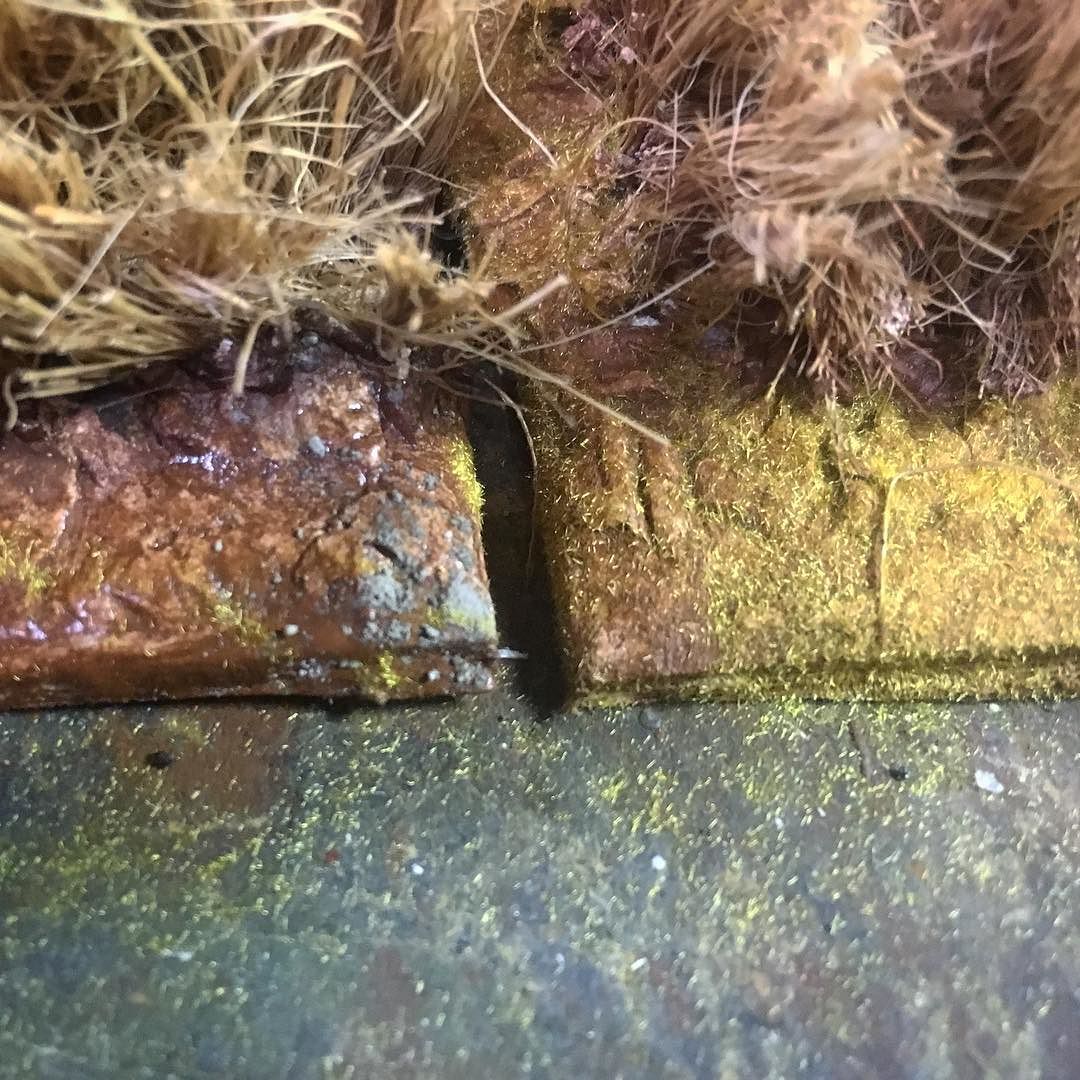
Flocking texture.https://isdrab.com/wp-content/uploads/2017/03/0e9ea-17265700_111642436033947_3215584517788008448_n.jpg" data-large-file=";https://isdrab.com/wp-content/uploads/2017/03/0e9ea-17265700_111642436033947_3215584517788008448_n.jpg" />

Flocking texture. Comparing the old sprinkle method to some done with my new flocking gun, you can see how much more even the application is and the way the fiber stands up #terrain #diy #art #40k via Instagram http://ift.tt/2mHCmez

electro static flocking gun

electro static flocking gunhttps://isdrab.com/wp-content/uploads/2017/03/38a15-17076040_932516100185128_5732014953255141376_n.jpg" data-large-file=";https://isdrab.com/wp-content/uploads/2017/03/38a15-17076040_932516100185128_5732014953255141376_n.jpg" />

I rewired this flyswatter into my own electro static flocking gun, something I’ve been meaning to do for ages. Now my flock will be extra fluffy #art #terrain #diy
And here it is in action!

Ruptured fuel tank

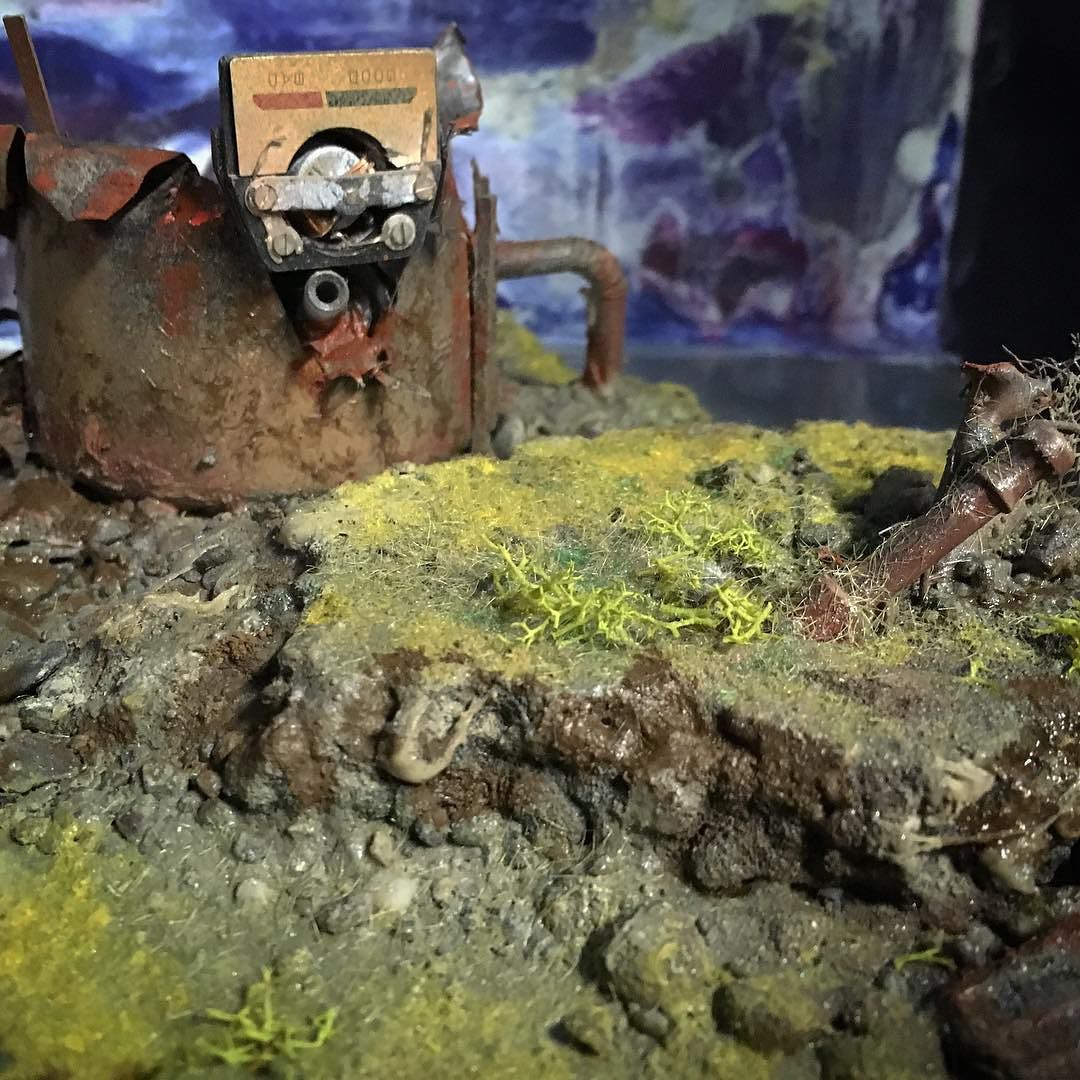
Ruptured fuel tankhttps://isdrab.com/wp-content/uploads/2017/01/2c2b5-16229481_113648252480438_8632281298796281856_n.jpg" data-large-file=";https://isdrab.com/wp-content/uploads/2017/01/2c2b5-16229481_113648252480438_8632281298796281856_n.jpg" />

Ruptured fuel tank, a little foam, a can, flock, lichen and some cement #terrain #art #40k via Instagram http://ift.tt/2j3shn3

Pool restoration pt6

Pool restoration pt6

continued from Pool restoration pt5

Where do I begin?

I picked up the mixer and was lucky enough to have my friend Kyle come by to help the first day
Untitled by bradisdrab, on Flickr

He helped to figure it all out and with the scratch-coat. Basically the scratch coat is a thin and rough cement mix that adheres to the existing cement/plaster and created some more absorbant texture for the new plaster to bont to.

We started with mixing the measured water and SC powder in the new mixer, but it was pretty lumpy so I set up a drill-mixer as well
Untitled by bradisdrab, on Flickr

The SC is a pretty thin consistancy and I read some where rollers were the best way to apply, so thats what we did; set up a tray and got a pair of rollers;
Untitled by bradisdrab, on Flickr

Tiring, thankless work, but I was glad for the extra hands,
Untitled by bradisdrab, on Flickr

The two bags just barely covered it all, and took most of the day
Untitled by bradisdrab, on Flickr

Pretty dirty work, or so I thought, until I got to the next step…
Untitled by bradisdrab, on Flickr

The next day was another solid one, and time to begin the cement for real. I took what we’d figured out about mixing cement, but just me this time. deep breath, ok go.

Set up to mix the first bag near where the pile of bags was, using a bucked to support the 80lb bag while i fed it into the mixer, and preparing to split the mixed cement into the two buckets for ease of carrying…
Untitled by bradisdrab, on Flickr

but quickly realized the problems with carrying mixed cement all the way to the shallow end. I also noticed how much of a problem any spillage would be there, so after that batch I moved my mixing station to the other side
Untitled by bradisdrab, on Flickr

Had to start somewhere, so I picked a spot in the shade, and in the deep end. That way it might not have problems drying too fast and I could get the harder parts done first.

This was the first batch troweled up
Untitled by bradisdrab, on Flickr

I troweled with a 1/2in notched trowel to try and ensure that I had thick/even coverage.
Untitled by bradisdrab, on Flickr

One bag didn’t go very far, and took about an hour… one down 44 to go
Untitled by bradisdrab, on Flickr

Basically I’d do a first coat with the notched side, then let it set a bit while I did the next batch,
Untitled by bradisdrab, on Flickr

When the rough trowled sets up, I’d smooth trowel another layer over top… spraying the other parts to slow the drying process… here are two more batches
Untitled by bradisdrab, on Flickr

I even got a couple work-lights to let me work into part of the night,
Untitled by bradisdrab, on Flickr

and I thought I was dirty before
Untitled by bradisdrab, on Flickr

Even with gloves I managed to wear the skin off my finger, beware of little bits of quartz getting inside gloves, the lye from the cement might not help either…
Untitled by bradisdrab, on Flickr

Overall, not a bad start for Day 1, I wish it’d have been possible to do it all in one day, but it just was not.
Untitled by bradisdrab, on Flickr

The next day went much the same, more batches, applied, more area covered
As it dried and I rinsed/scrubbed away what was on the tile, and tht left some streaking in the dry cement, but it tended to vanish when it was wet, so I didn’t worry
Untitled by bradisdrab, on Flickr

The instructions from SGM about the Diamond brite had a detailed section about exposing the sgregate while it was wet, but since I didn’t have the time/skill to backtrack I opted not to worry about it and just plan to use the acid exposure process instead, and hope that helped with the tile cleaning and streaking as well…

Untitled by bradisdrab, on Flickr
Getting edges to match presented some challenge, but that was just further reason to go as quickly as I could

I knew it’d be a risk, with it drying as I work, but still scary to see small cracks hit, I found around 5 like this, around a couple inches in length. I could stress and obsessively fix each one as I go, but then I’d never finish. The plan had to be to just fix them all when I was done with the rest of the main application .
Untitled by bradisdrab, on Flickr

By the end of the second day I’d gotten the deep end’s walls done;
Untitled by bradisdrab, on Flickr

I also felt like I was getting the hang of the application;
http://instagram.com/p/sF67GePfSq/

This was the most tired I can remember ever being. Fuel…
Untitled by bradisdrab, on Flickr

Hands swollen and sore. Wearing the skin off my hands and arm where it rubs the bucket when I scooped. Mental note – make an armband.
Untitled by bradisdrab, on Flickr

This became my 2nd skin, doubled up work gloves with vinyl kitchen gloves and a cut-off sock arm band;
Untitled by bradisdrab, on Flickr

More progress;
Untitled by bradisdrab, on Flickr

I almost stopped there but I was determined to do as much as I could. I had stayed home from work, using up a vacation day on my birthday, so I HAD to do as much as I could, so with the work lights out again I managed to finish the stairs;

Untitled by bradisdrab, on Flickr

The following weekend and just the floor remaining, this all seemed well within reason;
Untitled by bradisdrab, on Flickr

A lot more surface area to cover, but not having to sling it against the wall I could cover more faster;
Untitled by bradisdrab, on Flickr

I never did make spiked shoes, but I found that by setting sponges strategically I would have places to step
Untitled by bradisdrab, on Flickr

You can see that I’ve also been chiseling out the cracks a bit too

Untitled by bradisdrab, on Flickr

The last night’s work, filling the last corner of the floor.
Untitled by bradisdrab, on Flickr

Touchups and covering up any thin spots, by this point I was in my socks, hopping from sponge to sponge
Untitled by bradisdrab, on Flickr

The last day!
I started with a full acid wash;
Untitled by bradisdrab, on Flickr

The cement was looking good at this point, and I was feeling pretty good abput it again, but it revealed a couple more thin spots,
Untitled by bradisdrab, on Flickr

So I chiseled them down to make sure the patches would stick, I also took a wirebrush on an angle grinder to some of the rough patches.
Untitled by bradisdrab, on Flickr

While I was doing that the guys came by and installed my new filter grids, timers, and pump. One of the few things I wasn’t sure I could do myself.

Just the last patches to do here;
Just finished the last of the patching, plastering and acid washing, by bradisdrab, on Flickr

Six solid days, thirty-two batches, over a TON; (2500lbs) of cement mixed and plastered by hand.
I did the last patches then had to walk away. It has to be done eventually and knew I could keep chipping out bits, looking for cracks, tapping to find hollow spots and just drive myself crazy.
It took me a few days to talk myself into calling it finished.

I started the water on thur night, Fri morning it was still going;
Untitled by bradisdrab, on Flickr
Friday night;
Untitled by bradisdrab, on Flickr

And filled!
Untitled by bradisdrab, on Flickr

We got our first swim in on Labor day!
After all that work, its pretty amazing to finally go for a swim. by bradisdrab, on Flickr
Untitled by bradisdrab, on Flickr

Filter running now, and I’m just learning how to ballance the chemistry, still some things to do, like sealing the expansion joints around the coping, but its close enough to call it done!
Untitled by bradisdrab, on Flickr

And we had the retaining wall put in as well, I think the stone ended up matching the tile pretty well after all;
Untitled by bradisdrab, on Flickr

Untitled by bradisdrab, on Flickr

Thank you all for reading along and encouraging my progress!